



Secure payment

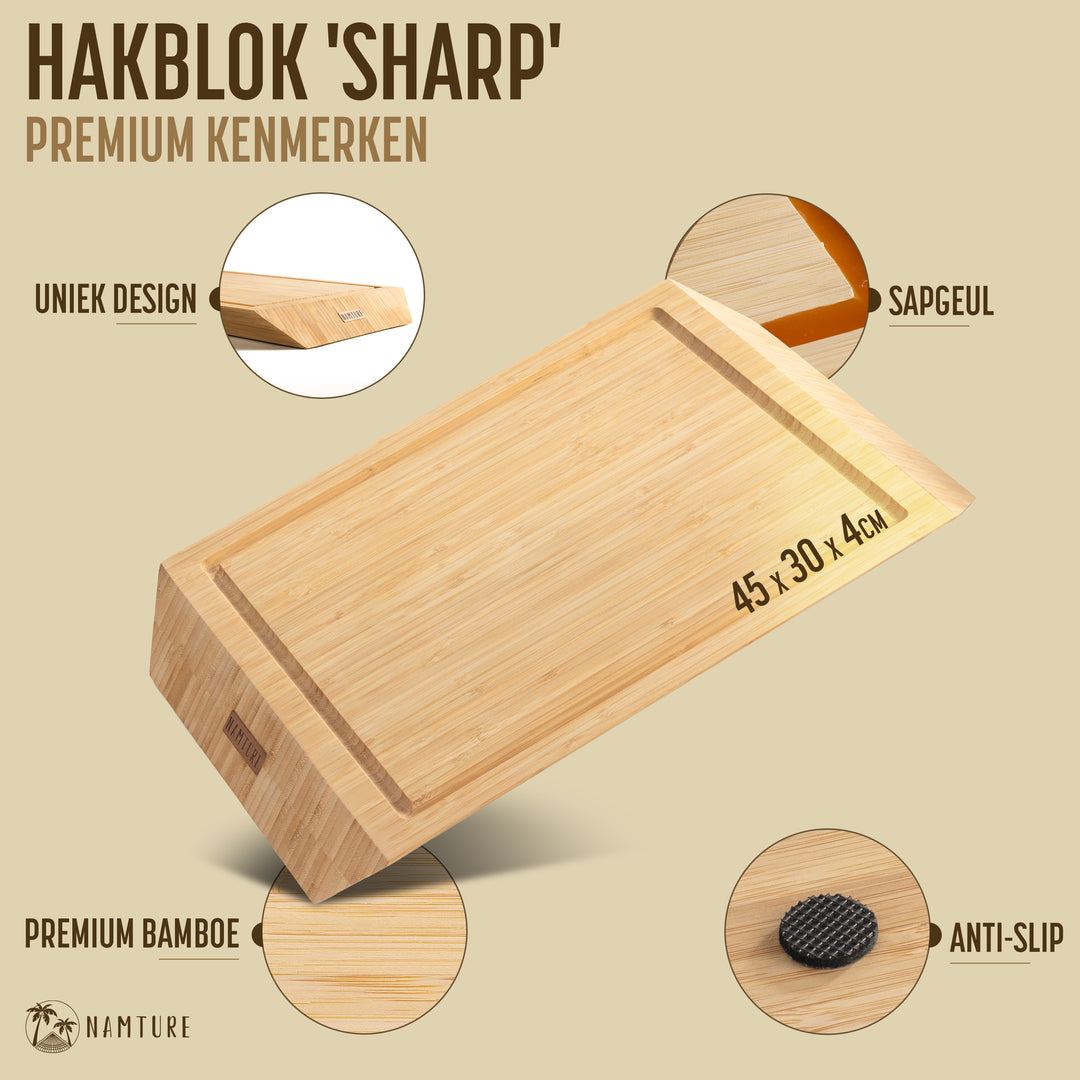
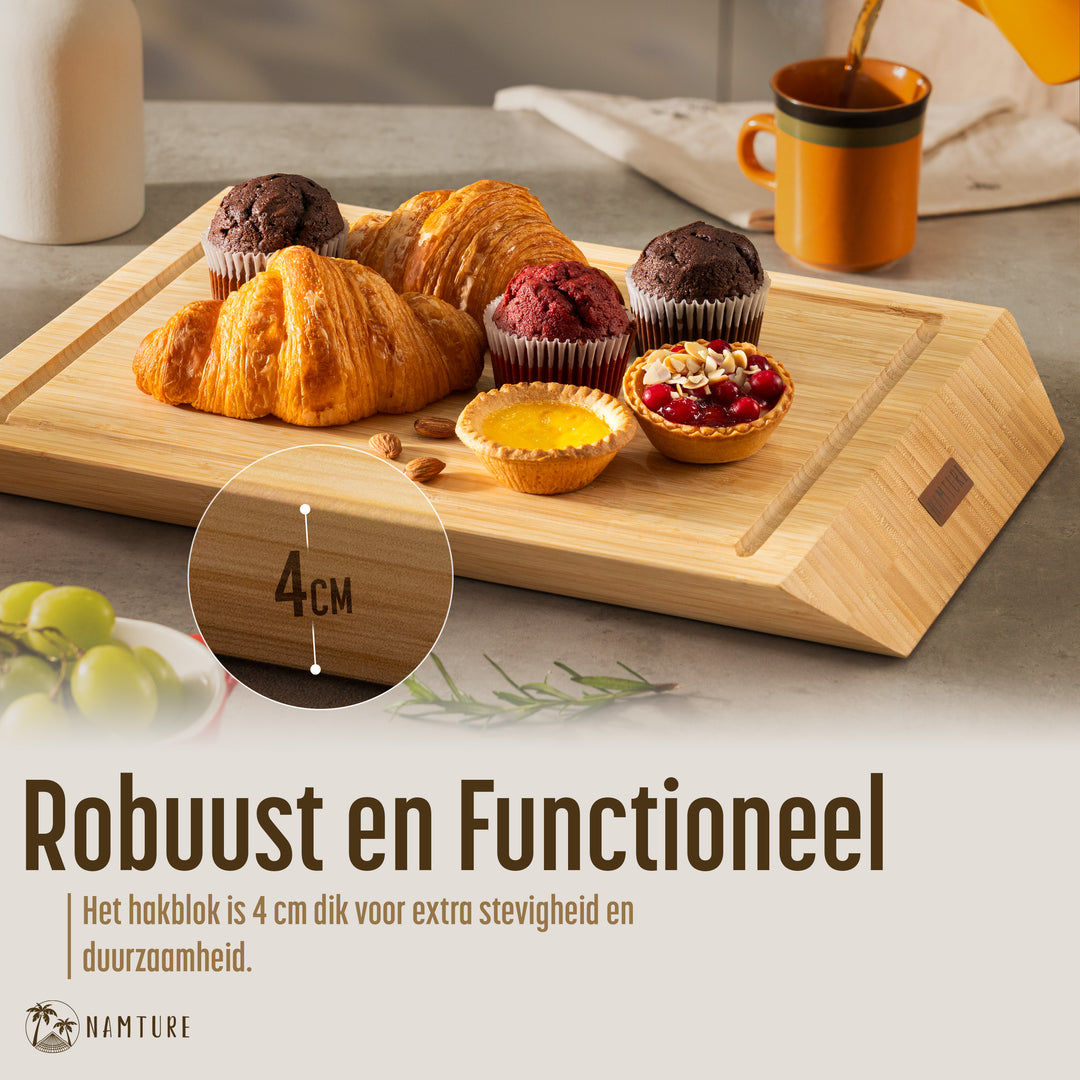

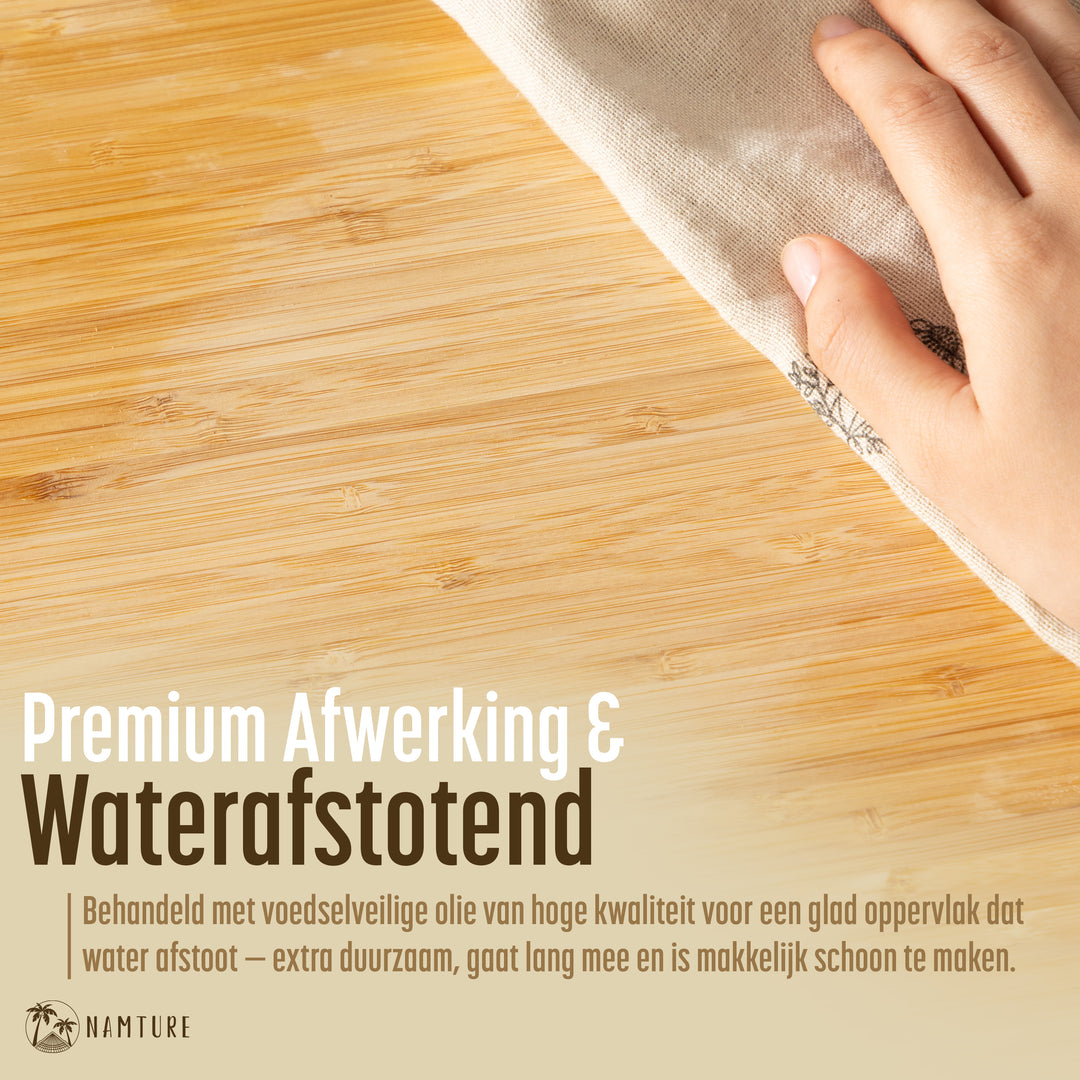
Our cutting boards are treated at the factory with top-quality oil for added protection against moisture and stains. For best results, regularly apply a thin coat of oil and always let the board dry completely after cleaning. Find the full care guide and advice on choosing oil here
With normal use, once every 3 to 6 weeks is usually enough. If you use your board heavily or rinse it frequently, once every 2 to 4 weeks is better. When water no longer beads on the surface, it is time to oil it.
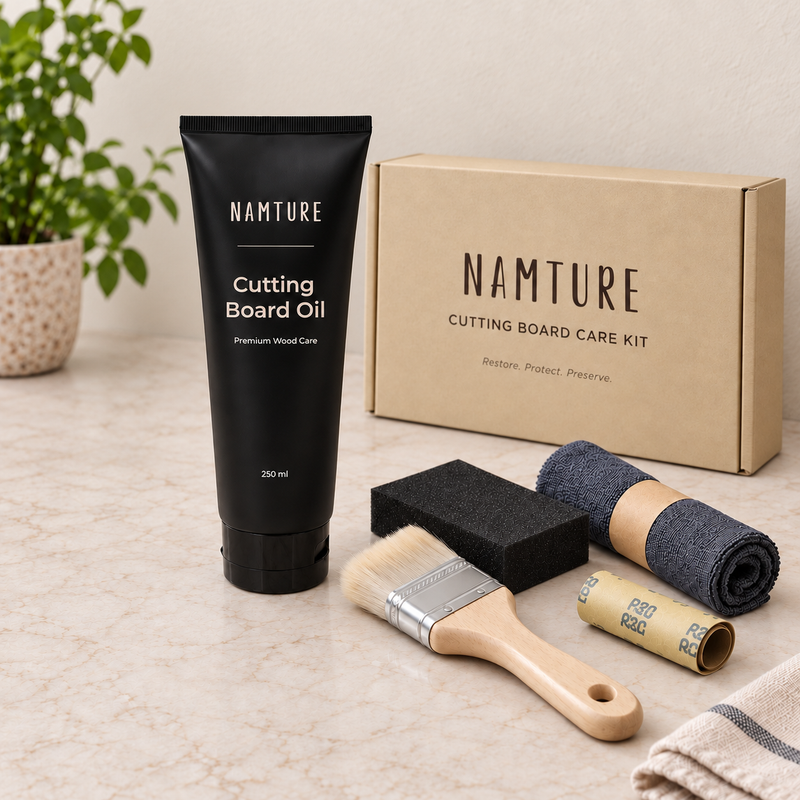
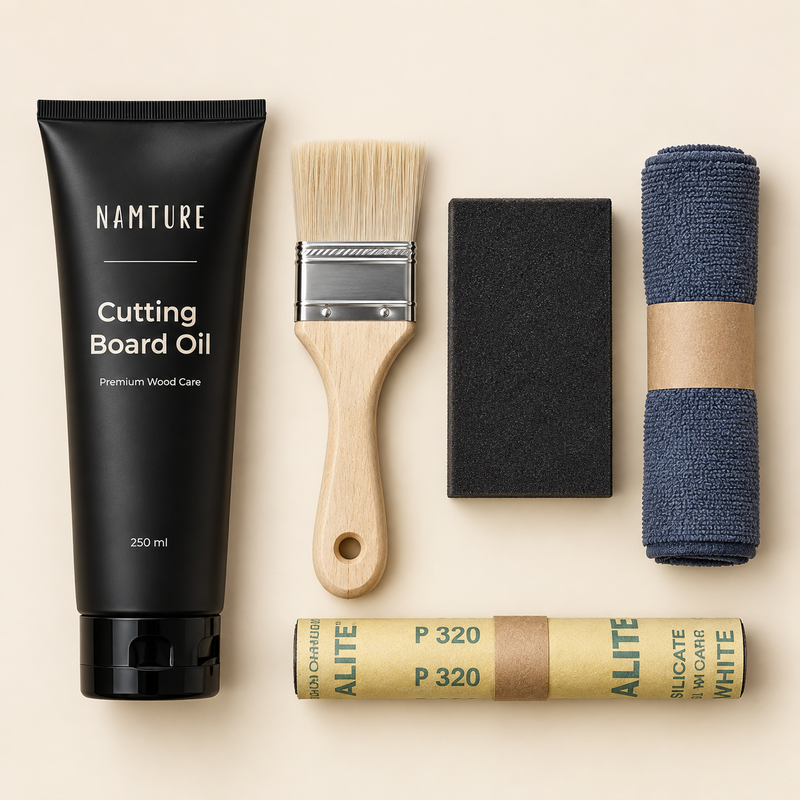
Use a food-safe cutting board oil designed for wood, or a premium cutting board oil compatible with our original oil finish. Avoid cooking oils such as olive oil and sunflower oil, as they can become sticky or develop a stale smell over time. Find all the guidance and links here
No. A dishwasher is too hot and wet, which can warp and dry out wood or bamboo. Rinse briefly with warm water, use mild soap if needed and dry immediately.
Clean with warm water and, if needed, mild soap. Do not soak the board. Rinse briefly and dry immediately with a cloth. Then leave it upright to dry fully, allowing air to circulate on both sides.
Yes. Our boards are treated at the factory with top-quality oil, giving them better protection against moisture and stains than many standard boards. Regular care keeps that protective layer in good condition.
This can happen when wood fibres rise slightly due to moisture or heavy use. Allow the board to dry completely first. If it still feels rough, sand it very lightly with fine-grit sandpaper, following the grain. Remove the dust and apply a thin coat of oil. This restores a smooth surface and keeps your board protected.
Our products are made in Vietnam, working closely with local makers and factories. We consciously choose craftsmanship, natural materials and a transparent process.
Jan, Namture’s co-founder, lives in Ho Chi Minh City, Vietnam, and visits the factories very regularly. This gives us direct insight into production and allows us to make adjustments quickly when needed. Every product is made and checked with care, so you receive a beautiful, durable result.
Because Jan is frequently on site and in close contact with the owner and team, we keep a close eye on working conditions. We choose long-term partnerships, with respect for the people who make our products.
Yes. We make fair agreements and pay a price that reflects craftsmanship and quality. This builds a partnership that benefits both the makers and the finished product.
Vietnam has extensive experience with natural materials such as coconut and wood, and a strong tradition of local craftsmanship. Being close to the source and personally involved lets us combine quality, collaboration and transparency. We also value making a local impact by working with Vietnamese makers and contributing to opportunities, craftsmanship and growth in the community.
Our natural products are finished by hand to create a high-quality result.

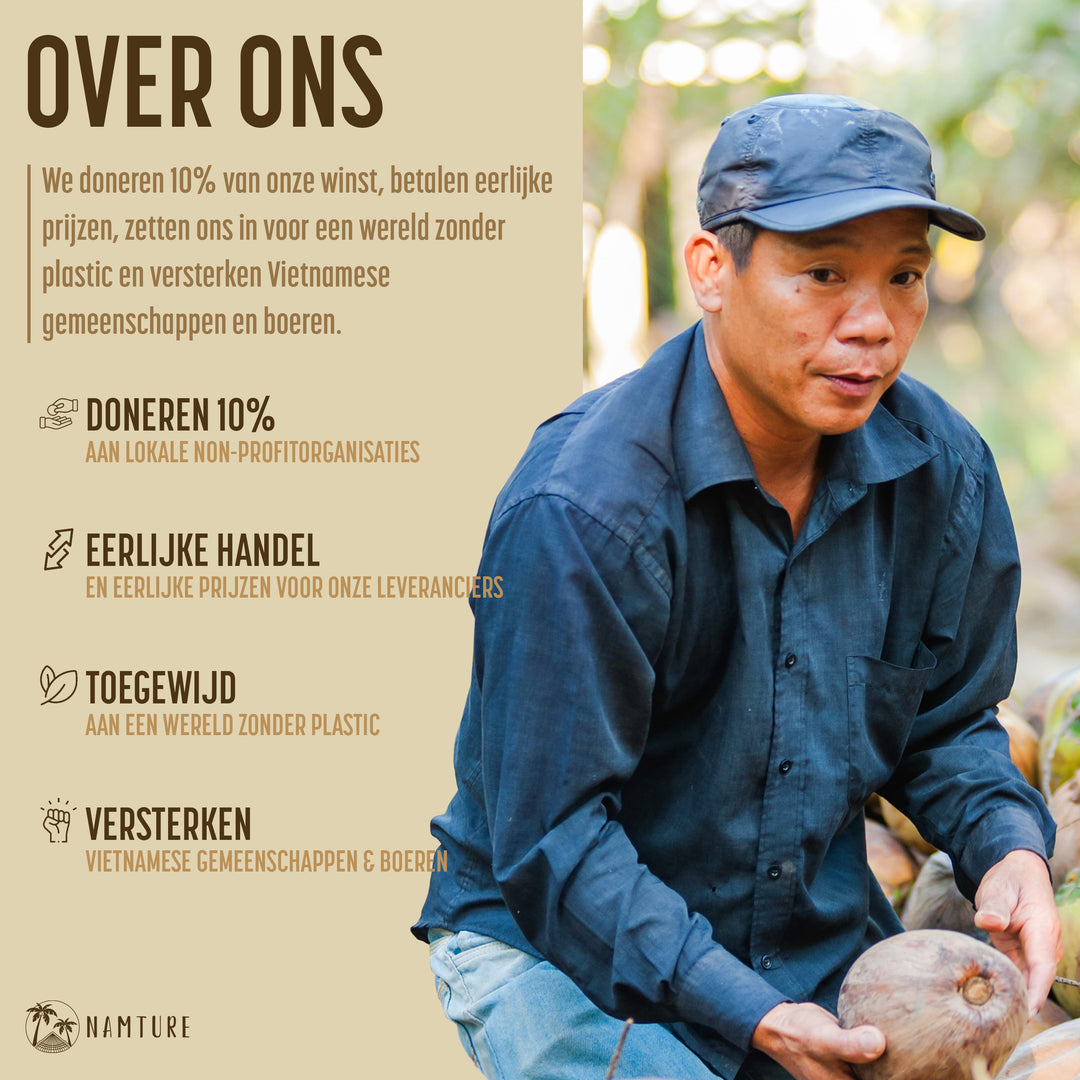
We pay our farmers a fair price and donate part of our revenue.
Close, direct collaboration is possible because one of our founders lives in Vietnam.